The Voice of the Hemisphere — Opinion
What happens when those who claim the responsibility of fighting disinformation end up with the power to decide what we may know, what we may publish and even what we may question?
And what happens when, on top of that, our own taxes are used to develop programs that can compromise freedom of expression?
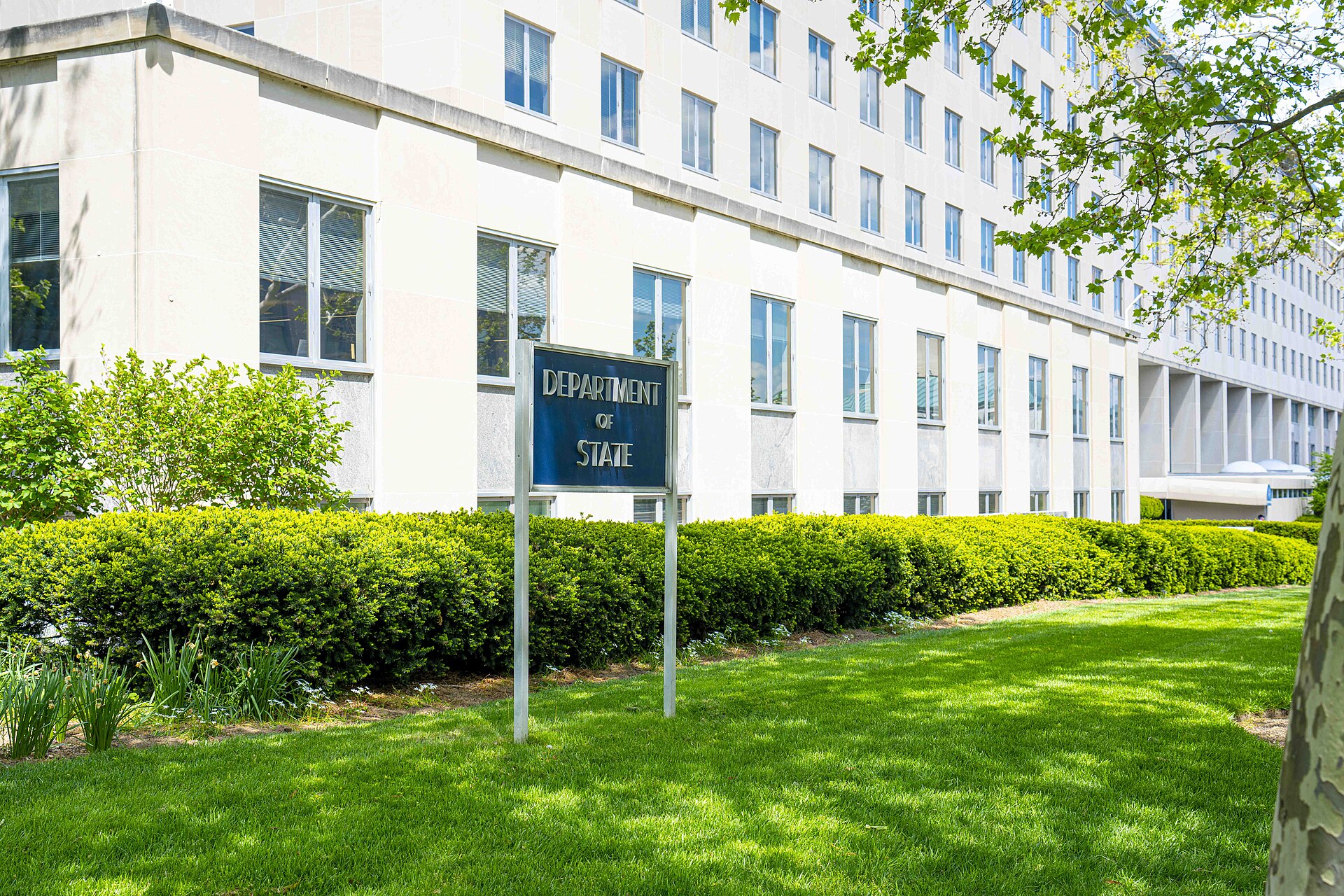
Recently released internal documents from the United States Agency for International Development (USAID) shed light on aspects of the relationship between government agencies and big technology companies that deserve everyone’s attention.
We are not talking simply about a political controversy, but about the right of citizens to receive information, compare it and reach their own conclusions.
USAID and the elections in Brazil
On April 9, 2022, Joshua R. Blumenfeld, YouTube’s manager of Government Affairs and Public Policy, sent a message to USAID officials thanking them for a meeting held a few days earlier.
The email was forwarded on April 11 by Johnny Walsh, the agency official responsible for democracy, human rights and governance.
The materials shared included:
- A document on how YouTube works and its policies against disinformation.
- The company’s concerns about a Brazilian bill.
- A report on YouTube’s impact in Brazil.
- Information on content removal.
- The platform’s future strategies to fight disinformation.
These conversations took place just six months before Brazil’s presidential election.
But there is a detail we should not overlook: the correspondence is not limited to Brazil; it also mentions the rest of the hemisphere.
A relationship that crossed borders
On April 13, 2022, Blumenfeld requested a meeting between Susan Wojcicki, then CEO of YouTube, and Samantha Power, USAID administrator, to discuss issues related to access to information and disinformation worldwide.
Another document, dated July 5, 2022, reveals conversations about identifying local organizations that could work with YouTube to detect content considered problematic.
Among the possible regions and countries of interest were Eastern Europe, Indonesia, Brazil, Kenya and India.
Later, on November 10 of that same year, Blumenfeld again contacted USAID officials to discuss promoting content considered authoritative and the international implications of possible U.S. legislative reforms.
The documents show that there were conversations and proposals for collaboration. It is now a matter for investigation how far their effects reached on the flow of information and on the political processes of other nations.
Censorship as a mechanism of control
Modern censorship does not need to burn books or shut down newspapers.
It can be exercised by removing posts, suspending accounts, reducing the visibility of certain content or cutting off the income of those who share information.
What is worrying is that true information can also be silenced if those with the power to classify it make mistakes or act out of political or economic interests.
Fighting false information is a legitimate goal. However, it cannot become a justification for blocking debate, hiding evidence or automatically discrediting those who question an official version.
Who fact-checks the fact-checkers? Who controls those who run the algorithms? Who answers for true information that has been censored?
With our own money
USAID was an agency funded with American public money.
Every citizen has the right to know how much money went to these programs, which organizations benefited, what their goals were and what results they achieved.
It would be a profound contradiction to use taxpayers’ money to build mechanisms that end up restricting those same citizens’ right to speak freely.
We must also ask what moral authority a foreign institution has to take part in decisions about the flow of political information inside other nations.
Defending democracy cannot be separated from respecting the sovereignty of peoples.
The truth should not need permission
My concern is not limited to one platform, one administration or one election.
It affects us all.
When we depend on big corporations to access information, we are also exposed to their decisions, their mistakes and their interests.
A truly free society needs citizens who are able to investigate, question, disagree and demand explanations.
We cannot hand certain institutions a monopoly on the truth and, at the same time, give up our right to think.
Information must serve the citizen, not turn the citizen into an instrument of power.
Amelia M. Doval — The Voice of the Hemisphere
Sources
Documentary sources: official USAID records, internal correspondence from April, July and November 2022.
- MRC Free Speech America: documents on the Biden administration’s role in censorship in Brazil
- America First Legal: documents obtained on Brazil and the Biden administration (PDF)
📱 Get the What US News app
Scan the code with your phone or go to whatusnews.com/app. Free for Android and iPhone. How to install it.
Conversation