

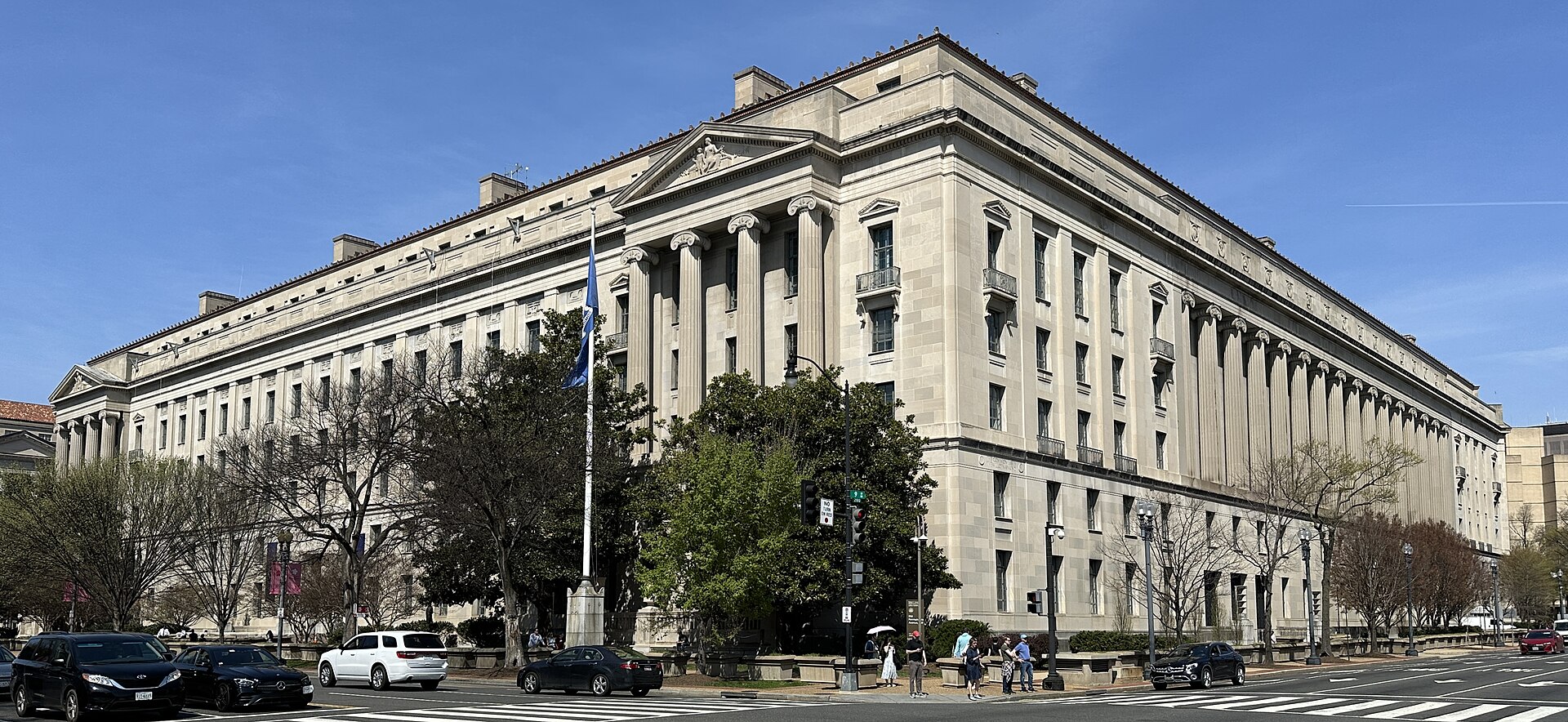
There are students who never set foot in a classroom, who do their homework with artificial intelligence and who collect federal aid under stolen names. They are called “ghost students,” and President Donald Trump’s administration has decided to go after them. The Justice Department launched “Operation Ghostbusters,” a nationwide offensive against this fraud that has already detected more than 830,000 potentially fake student aid accounts.
“These are not isolated mistakes. This is organized fraud on a large scale,” warned Assistant Attorney General Colin McDonald.
How the fraud works
The scheme is as simple as it is damaging. Criminals steal the personal data of Americans, often people who never went to college, and with those identities they create fake students who enroll in colleges and universities across the country.
When the federal aid is approved, the money goes to the school. After tuition and fees are deducted, what is left over is deposited into bank accounts controlled by the scammers. Part of that money ended up in Kenya.
To make the fake students look real, the criminals used artificial intelligence to do the coursework and even paid people to log in to online classes.
- More than 830,000 potentially fraudulent student aid accounts.
- More than $32 million in losses tied to specific suspects.
- More than $750,000 in cryptocurrency seized.
- Five people charged so far, in Nebraska and New Jersey.
- Part of the money was sent to Kenya.
The first defendants
So far five people have been charged. A Kenyan national was indicted in Nebraska for theft of government money and aggravated identity theft. Four other people were charged in New Jersey over a scheme with hundreds of fake students that allegedly generated more than $1.3 million.
Investigators tied more than $32 million in losses to specific suspects, but they believe the real figure is much higher. They also seized more than $750,000 in cryptocurrency.
Whether someone is in Nebraska, New Jersey, Virginia or Nairobi, McDonald said, prosecutors will pursue them and bring them to justice. “The American people deserve better than ghost students, fake applications and stolen aid.”
Why it can affect you
This fraud does not only rob the government. Victims whose data is used can end up with student loans in their name and ruined credit without ever having set foot on a campus. That is why it is a good idea to check your credit report often and watch for any letter about loans or enrollment that you do not recognize.
Universities lose too: ghost students take up seats in classes that then have no room for real students.
Taxpayer money
Federal student aid is paid for with the taxes of working families. Every dollar a scammer steals from the other side of the world is a dollar that does not reach a young person who truly wants to study. For years this fraud grew almost unchecked. Now, at last, there is a coordinated response from Washington.
Conclusion
“Operation Ghostbusters” is what many taxpayers were waiting for: a government that protects public money and pursues those who take advantage of the system, wherever they are. The Trump administration’s message is clear: the easy money for scammers is over. The aid is for real students.
God bless America.
Quotes in this article were translated back from the Spanish version and may differ slightly from the original English wording.
Sources
- WJLA: DOJ busts massive ‘ghost student’ fraud scheme involving 830K suspicious accounts
- Just The News: ‘Operation Ghostbusters’: DOJ charges five in student aid scheme
- Good Morning America: Feds charge 5 people in alleged sprawling ‘ghost student’ scheme
📱 Get the What US News app
Scan the code with your phone or go to whatusnews.com/app. Free for Android and iPhone. How to install it.
Conversation