

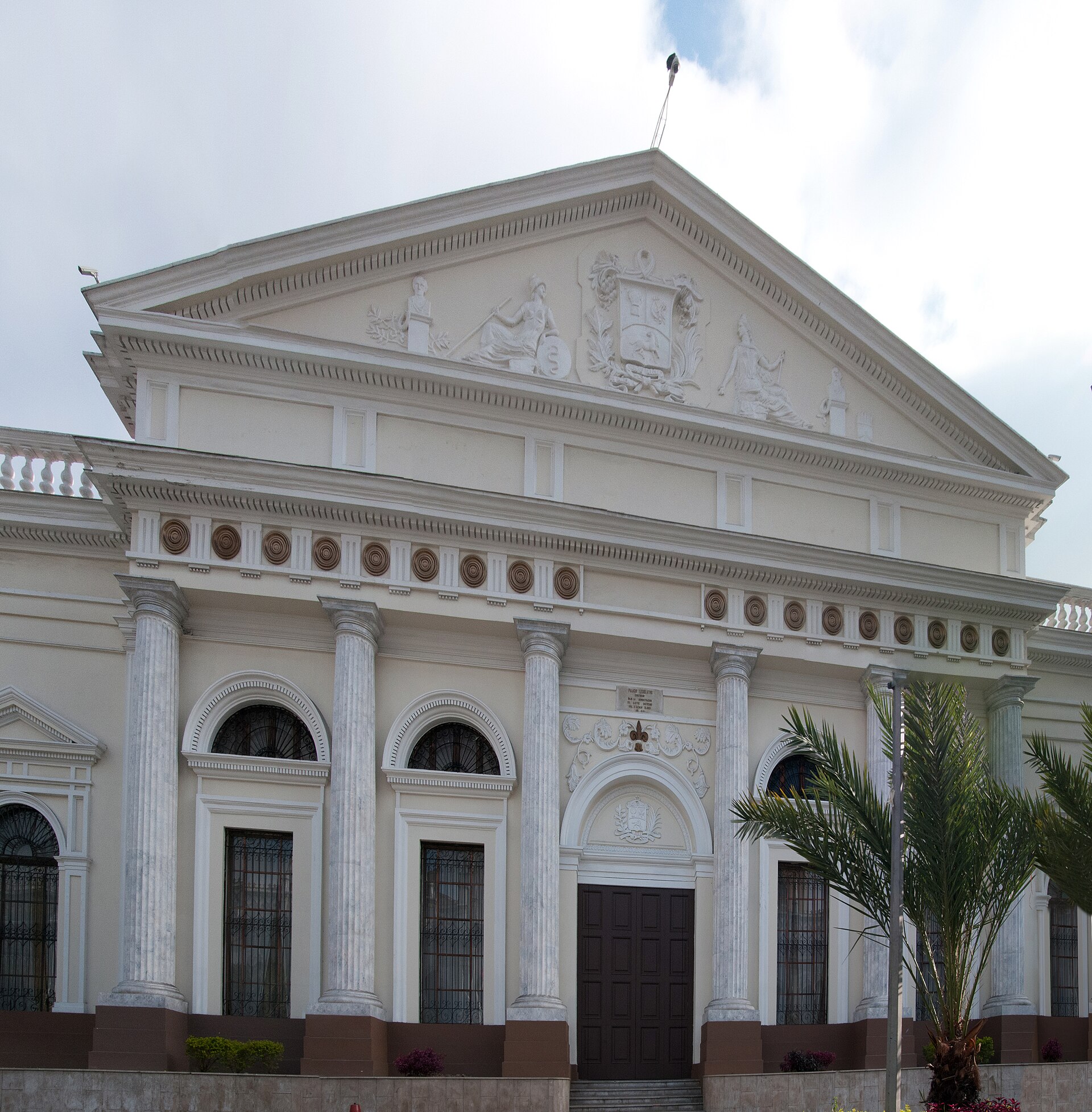
For Venezuelans in South Florida, the question is no longer whether there will be free elections in Venezuela, but when. Secretary of State Marco Rubio has made it clear that Washington’s plan for a democratic transition is moving forward as scheduled, and he has put dates on the table.
“In short, there is a plan. We are driving it forward; it is a priority for us and I trust that it will succeed,” Rubio said in Paris, during the G7 foreign ministers’ meeting.
The steps of the plan
The roadmap follows a clear order. First, a new Supreme Court of Justice. Then, a “non-political” National Electoral Council (CNE). And finally, a call for elections.
- December: the new Supreme Court justices should be in office by mid-month, according to Rubio.
- Shortly after: the new National Electoral Council would be created.
- Then: that CNE could declare the presidency vacant, a post Delcy Rodríguez currently holds on an interim basis.
- Six months: from that declaration, there would be a six-month window to hold elections.
- Key requirement: a free and open press, in addition to an independent Supreme Court and CNE.
“We are on the right track to have the new Supreme Court justices in office by mid next month, in December. Shortly after, the creation of the new electoral council will be carried out,” Rubio explained.
The diaspora vote
One of the points of greatest interest in Miami and Doral is voting from abroad. Rubio noted that some 7 million Venezuelans live outside the country and stressed that consulates must be opened in the United States so they can vote.
“Currently, there is no Venezuelan consulate open in the United States,” he warned. For South Florida’s huge Venezuelan community, which for years could not take part in elections, it would be a historic step.
The opposition’s chief negotiator, Dinorah Figuera, thanked Rubio and the United States “for all the support provided in the process of transition to democracy in Venezuela” and pledged to follow the roadmap to guarantee “fair, secure elections and full democracy.”
From January’s operation to November’s alliance
The change in Venezuela has been enormous in less than a year. In January 2026, a U.S. military operation captured Nicolás Maduro. Since then, Washington has pushed a phased process that combines pressure, cooperation and concrete deadlines.
This very week, Secretary of War Pete Hegseth signed a military cooperation agreement in Caracas with Venezuela’s new government, the first since Hugo Chávez broke with Washington in 2005. And Venezuelan oil, which for years propped up Cuba’s dictatorship, no longer reaches Havana.
What remains
The road is not free of risk. The timeline depends on meeting the deadlines and on the new institutions being truly independent. Rubio insisted on “constant monitoring” to make sure the dates are met. Some analysts in Europe fear a transition controlled by chavismo, but Washington has made clear that the final goal is free elections.
Conclusion
For years, Venezuelans in exile heard promises of change that never came. Today there is a plan with dates, with a new Supreme Court and CNE on the way and with a real possibility of voting from Miami. It is the result of a firm Venezuela policy from Trump and Rubio. There is still a way to go, but for the first time in a long time, Venezuela’s freedom has a calendar.
God bless America.
Sources
- Demócrata: Rubio accelerates the plan for a new CNE and elections in Venezuela
- Al Jazeera: US urges Venezuela to follow phased plan for democratic transition
- Al Jazeera: Hegseth reveals military partnership on Venezuela trip
📱 Get the What US News app

Scan the code with your phone or go to whatusnews.com/app. Free for Android and iPhone. How to install it.
Conversation