

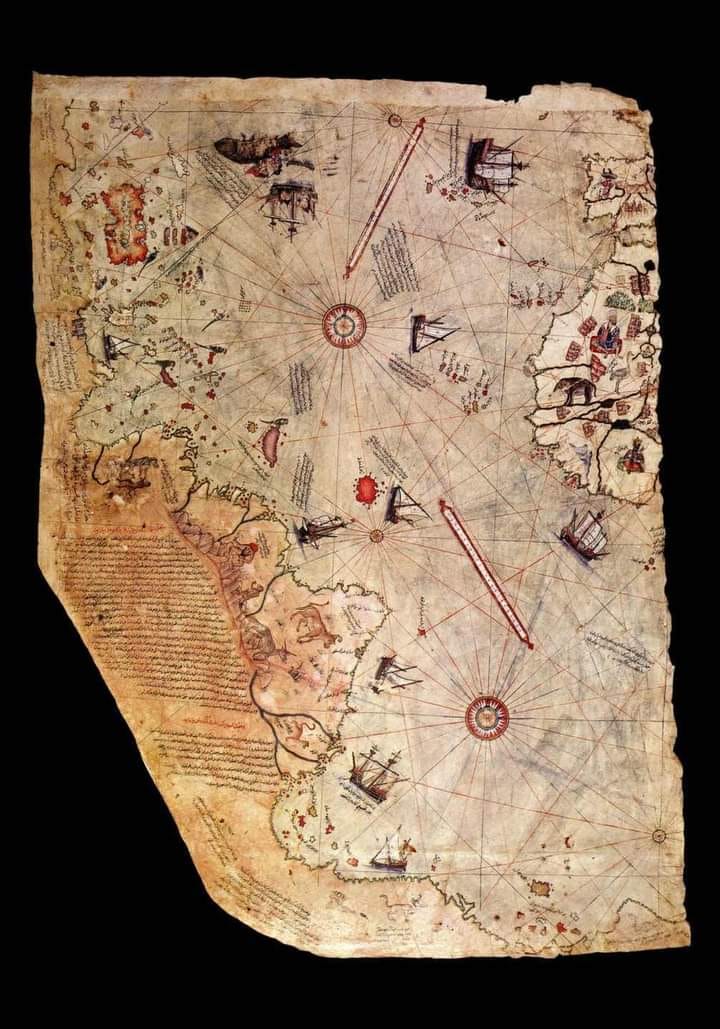
On a day like today, 137 years ago, Brazil went to bed an empire and woke up a republic. On November 15, 1889, in Rio de Janeiro, then the imperial capital, a group of military officers led by Marshal Manuel Deodoro da Fonseca overthrew Emperor Pedro II. There were no battles and no deaths: it was a quick coup that ended almost seven decades of monarchy and forever changed the history of South America’s largest country.
An empire in the New World
Brazil became independent from Portugal in 1822 and, unlike its Spanish American neighbors, did not become a republic but an empire ruled by a branch of the Portuguese royal family. Pedro II inherited the throne in 1831, when he was just a child, and reigned for more than half a century. He was a cultured monarch, fond of science and respected abroad, but by the late 1880s his government had lost key sources of support.
The causes of the fall
The coup was the result of several crises coming together at the same time. The most important was the abolition of slavery: the so-called Golden Law, signed by Princess Isabel in May 1888, freed the slaves without paying compensation to their owners. The great landowners, who had been a pillar of the monarchy, turned their backs on it.
- The military question: many officers complained that they could not express themselves freely, of unfair promotions and that the government looked down on them.
- Positivism: the republican ideas of French philosopher Auguste Comte spread through the military schools, promoted by teachers such as Benjamin Constant.
- The clash with the Church: the arrest of bishops in the 1870s weakened Catholic support for the throne.
- The succession: Pedro II had no sons, and his heir, Isabel, was married to a foreign prince, which bred distrust.
The coup of November 15
That morning, Deodoro da Fonseca marched with his troops and took control of the government in Rio de Janeiro without meeting resistance. That same night a provisional government was formed with Deodoro at its head, Benjamin Constant as minister of war, Quintino Bocaiuva at foreign affairs and Rui Barbosa at finance. The proclamation was officially announced the next day.
Pedro II, who was in the city of Petrópolis, did not try to resist. The new government ordered him to leave the country and the imperial family went into exile in Europe. The old emperor died in Paris in December 1891, and his family could not return to Brazil until 1920, when President Epitácio Pessoa lifted the ban.
The birth of the republic
A few days after the coup, Brazil adopted the flag it still uses, with the positivist motto “Ordem e Progresso” (Order and Progress). In 1891 the first republican Constitution was approved and Deodoro became the country’s first president. However, the new republic was born in a barracks and not at the ballot box: republican journalist Aristides Lobo wrote that the people had watched it all without understanding what was happening. That military stamp would accompany Brazilian politics for a good part of the twentieth century.
Conclusion
November 15 is today a national holiday in Brazil. The fall of Pedro II teaches that no government, however respected, survives when it loses those who sustain it. It also leaves a lesson for all the nations of the Americas: the strongest republics are those born of the will of their citizens and of clear laws, not of coups. One hundred thirty-seven years later, Brazil is still writing that story.
Sources
- Wikipedia: Proclamation of the Republic (Brazil)
- Toda Matéria (in Portuguese): Proclamation of the Republic, causes and summary
- Toda Matéria (in Portuguese): November 15, Proclamation of the Republic Day
📱 Get the What US News app

Scan the code with your phone or go to whatusnews.com/app. Free for Android and iPhone. How to install it.
Conversation