

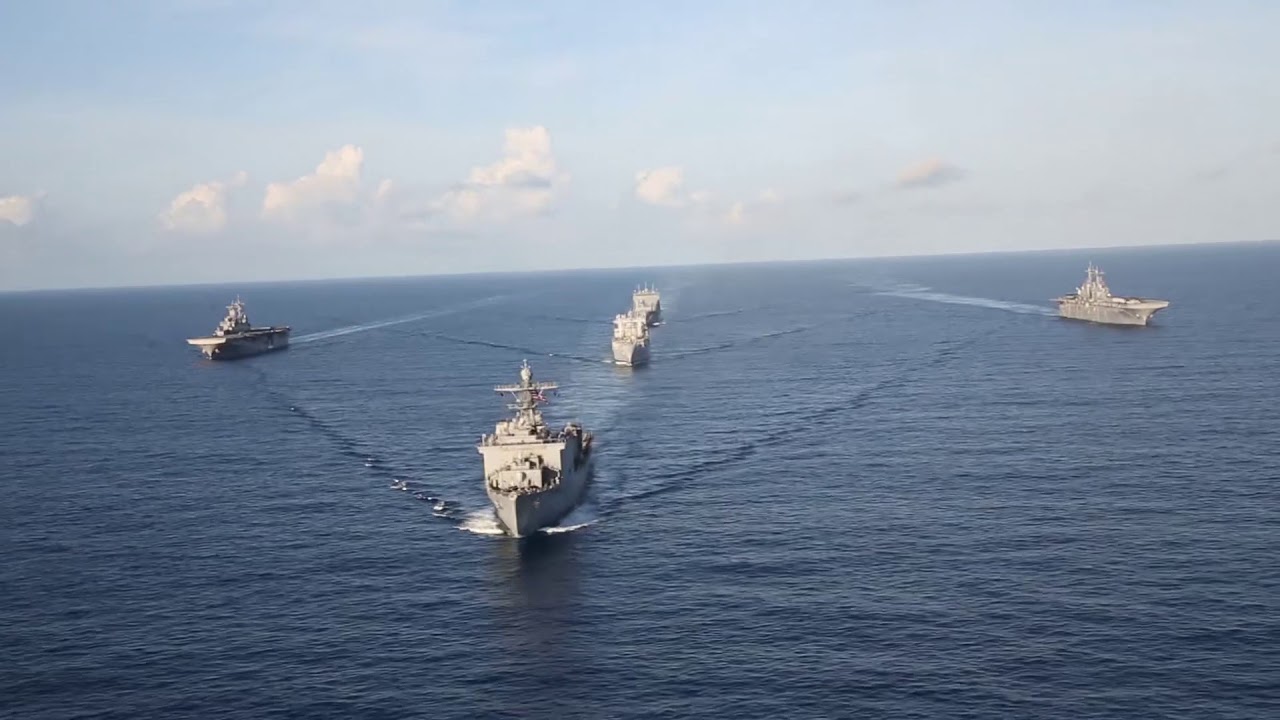
What was supposed to be the last day of a quiet vacation on the Mississippi River ended in a scene out of a movie. On Friday, November 13, at about 12:30 p.m., the tanker Atlantic Asphalt struck the river cruise ship American Heritage, which was docked at the Port of New Orleans. The passenger vessel partially sank and ended up capsized in the water. Most important: everyone on board survived.
How the collision happened
The Atlantic Asphalt is a tanker about 160 meters (525 feet) long, flagged in the Marshall Islands, that usually carries asphalt and bitumen. According to New Orleans Mayor Helena Moreno, the vessel lost control and struck the cruise ship. The American Heritage, a five-deck boat built in 2015 and operated by American Cruise Lines, had been docked for about two hours and was finishing an eight-day cruise through Louisiana and Mississippi.
After the impact, the cruise ship began to take on water. According to authorities, it capsized between 30 and 45 minutes after the collision. It began to sink and finally rolled over, the mayor said.
A rescue many are calling a miracle
Al Jazeera reported there were 129 passengers on board, and according to Fox News the mayor spoke of 191 people between passengers and crew. About 100 people were pulled from the river, many wearing life jackets, and Harbor Police Chief Melanie Montro explained that crews evacuated more than 80 people before the boat rolled over. Firefighters, harbor police, the Coast Guard, medical services and nearby boats rushed to help.
On the first day, 32 people were taken to hospitals, none in critical condition. By Saturday eight remained hospitalized: two in serious condition and six stable. The cruise ship’s captain was injured but stayed on board until everyone was safe and was the last to leave the vessel.
Key points
- The collision happened on Friday, November 13, 2026, around 12:30 p.m., at the Port of New Orleans.
- There were no deaths; about 100 people were rescued from the water.
- On Saturday eight people were still hospitalized, two in serious condition.
- The NTSB recovered the tanker’s data recorder and will publish a preliminary report in about 30 days.
- Authorities say there are no signs of terrorism.
The investigation and the river
The National Transportation Safety Board (NTSB) sent 16 investigators, recovered the tanker’s voyage data recorder and will review its maintenance history. A possible failure in the steering system is being examined, although the cause is not yet confirmed. The preliminary report is expected in about 30 days and the final one in 18 to 24 months.
The Coast Guard partially reopened the river to traffic in both directions but is maintaining a 500-foot safety zone around the sunken boat. Before the hull can be salvaged, crews must remove about 16,000 gallons of fuel. Coast Guard Capt. Melanie Burnham warned that the work will take “weeks, not days.” As of Saturday no contamination had been detected in the water.
Conclusion
The Mississippi accident could have ended in tragedy and did not, thanks to life jackets, the speed of the emergency crews and the mariners who came over to help without thinking twice. Now we wait for the NTSB to explain why a tanker lost control on one of the country’s most important commercial waterways. In the meantime, New Orleans and the whole United States have reason to thank their first responders. God bless America.
Quotes in this article were translated back from the Spanish version and may differ slightly from the original English wording.
Sources
- Fox News: about 100 people pulled from the river after the New Orleans ship crash
- Al Jazeera: rescue efforts under way after tanker strikes river cruise boat in US
- ABC News: everyone rescued from the capsized cruise ship in New Orleans
📱 Get the What US News app

Scan the code with your phone or go to whatusnews.com/app. Free for Android and iPhone. How to install it.


Conversation