

Opinion
Cuba, the oldest communist regime in the Americas, owes a lifetime of compensation to those who were taken to the Military Units to Aid Production (UMAP). World public opinion has an outstanding debt to the victims: to acknowledge, criticize and denounce those Cuban concentration camps.
The regime denied that they were camps of repression, political control, mental punishment and intimidation. The UMAP were created in November 1965, 61 years ago, although their origins go back to earlier decisions.
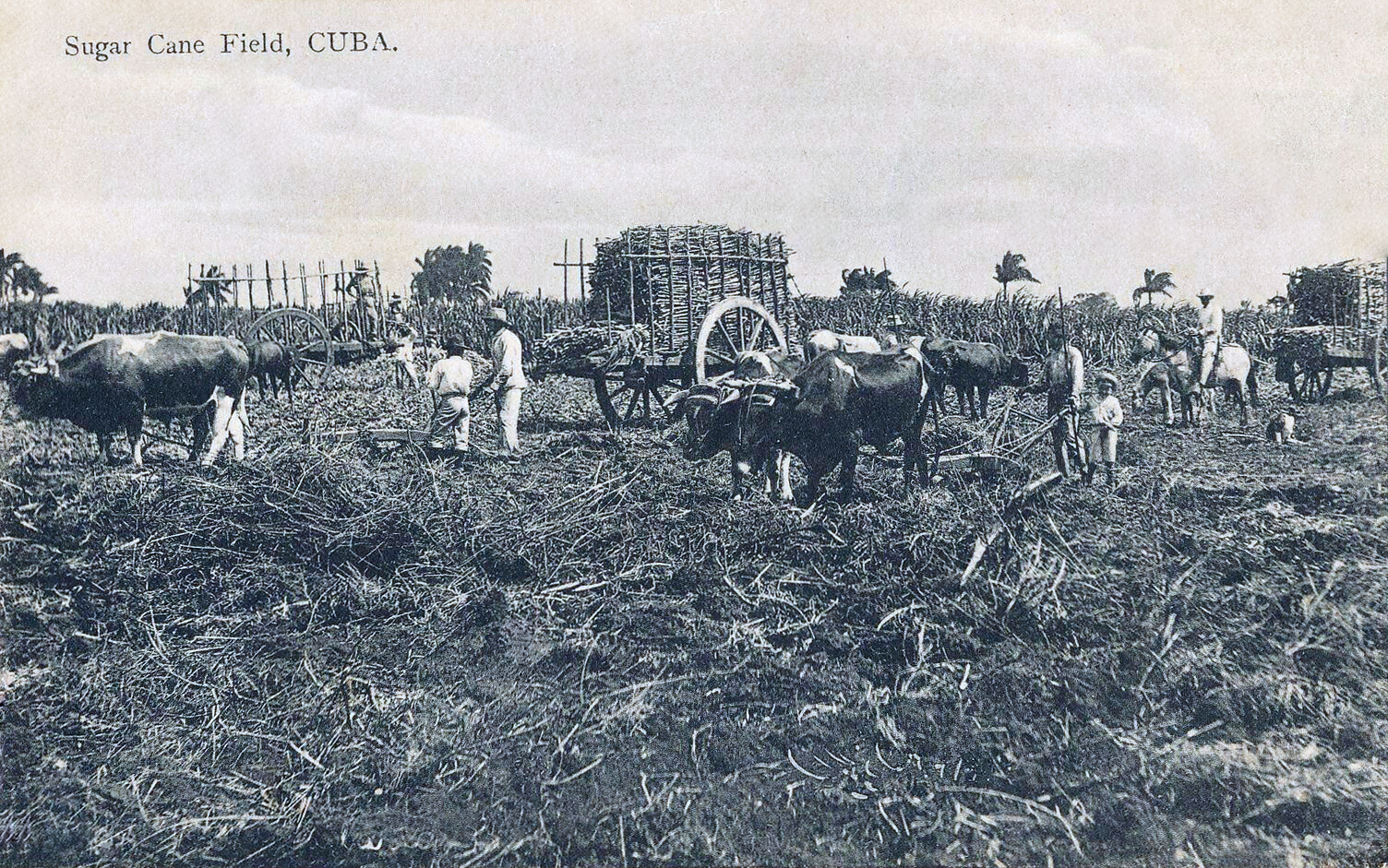
These military units were presented to Cubans as centers meant to shape the “new man.” Their goal, according to official propaganda, was to bring young people into work and revolutionary discipline. That is how they introduced their project to the world, justifying it with the slogan that one had to work a lot and work well.
The young men sent to these camps fell under the framework of Compulsory Military Service. As always happens when words conceal the real objectives, reality revealed over the years the intentions of those who organized that system.
Those confined were conscientious objectors, Christians and members of various religious organizations, homosexuals, political dissidents, artists and citizens considered inconvenient for communist policies. Many were classified as unfit for regular military service.
Years later, Fidel Castro went so far as to describe certain acts committed during that period as injustices.
According to historical estimates, between 25,000 and 35,000 people passed through the UMAP. The writer Norberto Fuentes, a former collaborator of the Cuban intelligence services, spoke of approximately 35,000 inmates. There have also been reports of psychiatric confinement, torture, deaths and suicides, whose exact figures require more complete documentary research.
Poor food, forced labor shifts of ten to twelve hours, seven days a week, precarious conditions and severe disciplinary measures were all part of the testimonies about those camps.
A list too cruel to find any justification.
The Inter-American Commission on Human Rights published a report in 1967 on the human rights situation in Cuba, amid the complaints that were beginning to be known internationally.
That project of supposed social engineering, carried out without the consent of its participants, turned thousands of citizens into prisoners of a system that sought to transform their ideas, their beliefs and even their personal conduct.
In the face of pressure and complaints, the regime ended up closing the UMAP in 1968. But closing the camps did not erase the suffering of those who were locked up in them.
From the first camps set up in Camagüey to other later forms of control and repression, Cuban history has left a deep debt to its citizens.
The methods of persecution, discrimination and political punishment cannot be justified in the name of a revolution, an ideology or a supposed collective benefit.
Cubans are waiting for the end of a communism they consider enslaving. But one question remains that cannot disappear with the passing of time:
Who, how, when, and to whom will the lost years be given back?
The accumulated sadness, the separated families, the stolen youth and the destroyed lives cannot be recovered with speeches or belated acknowledgments.
Cuba deserves better.
Its moment must come soon.
📱 Get the What US News app

Scan the code with your phone or go to whatusnews.com/app. Free for Android and iPhone. How to install it.

Conversation