

La Voz del Hemisferio · Opinion
Old documents say that the airships of the past came to rule the skies and that crossing the ocean in them could take about three days. Those were other times and another technology. Today we travel in modern airplanes, far faster, yet, incredible as it may seem, the trip feels longer and more tiring every time.
Today we travel in sardine cans, with no room for comfort. Movement is limited, services are scarce and poor, the bathrooms are uncomfortable, the aisles narrow, the seats ever tighter and the restrictions endless.
They control the weight of the luggage, the size of the suitcases, the liquids and even the smallest items. Airports seem to be run by security rules that are more and more demanding and excessive.
To all this is added something I find truly worrying: the exorbitant price of tickets.
Sometimes it seems the airlines are doing us a favor by carrying us, while they charge high amounts for a service that offers fewer comforts every day.
And here begins one of my biggest questions.
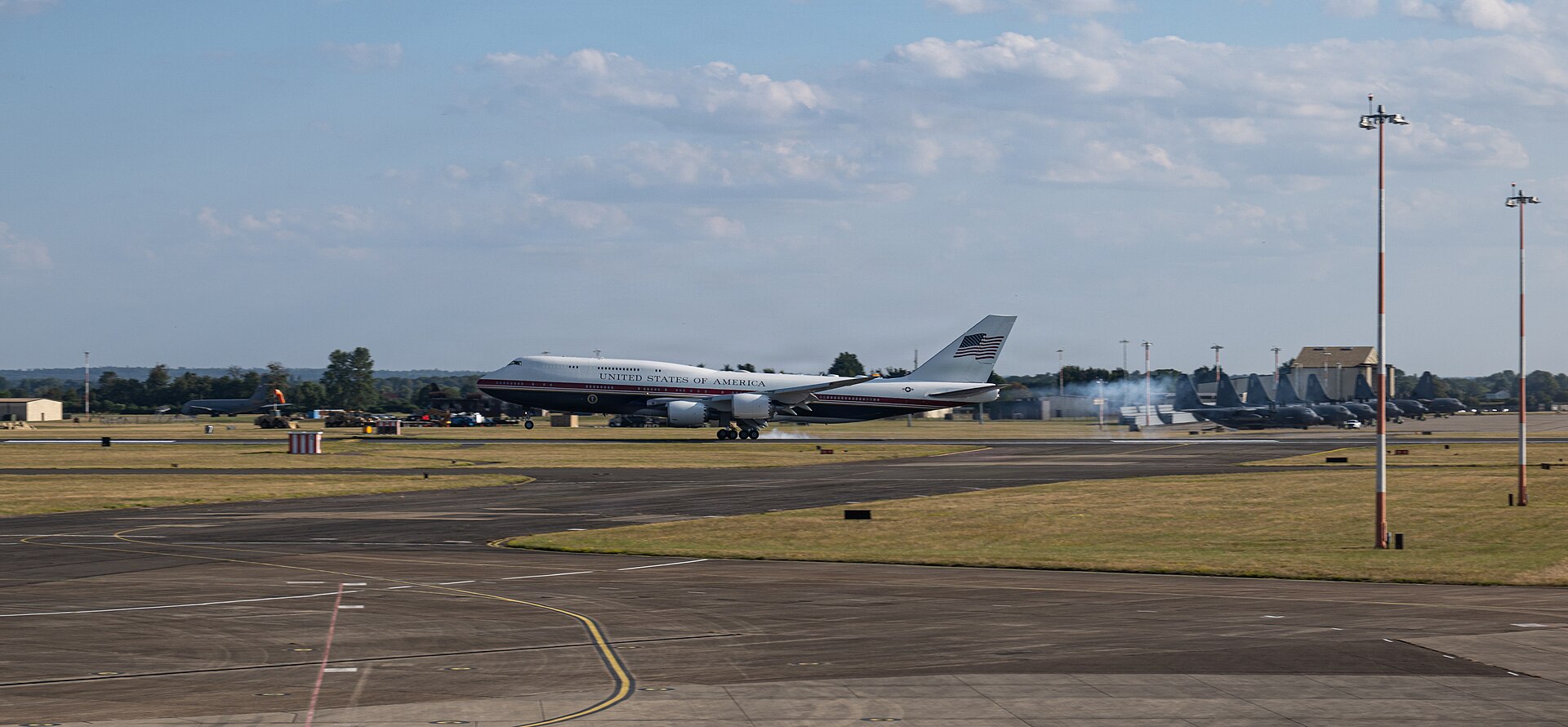
President Donald Trump has spoken of long flights aboard Air Force One. There has been mention of a continuous trip of some fifteen hours and a consumption of roughly one million pounds of fuel. These are figures that need to be verified, but they raise questions about the capacity of airplanes, their tanks and their true fuel consumption.
For the first time I stopped to think seriously about something I had never questioned before.
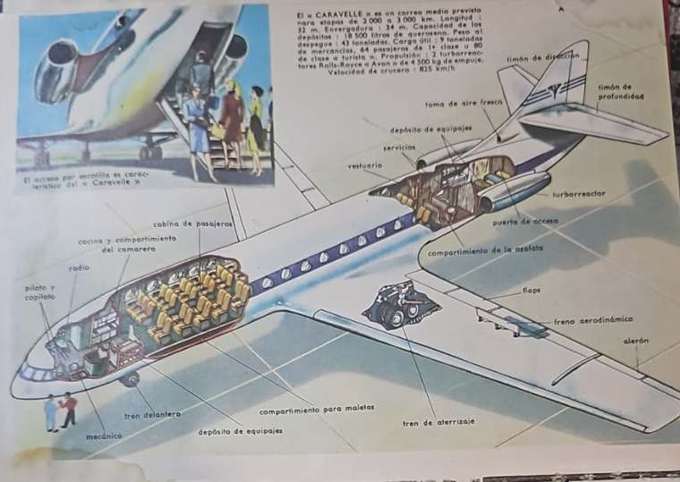
I looked for an illustration of an airplane to study the layout of its fuel tanks. My surprise was even greater.
I am not an aeronautical engineer, but I do not think we should accept every explanation without asking questions.
If fuel is so expensive and airplanes can make such long trips, how are the costs of air transport really calculated? How much corresponds to fuel and how much to operating expenses?
I also wonder why, while technological advances seem to have no limits, we passengers end up paying more and more for smaller spaces and ever more limited services.
I leave you with this thought while I keep looking at the drawing of an airplane, trying to understand where all that fuel is stored.
Because I still cannot understand how we have grown used to traveling so uncomfortably while paying first-class fares.
The companies add more seats, shrink the space and even make us feel guilty for wanting to bring our own suitcases.
They say fuel is one of the great costs of aviation. We also know that airplanes are not refueled the way cars are and that their storage and consumption systems are different.
Still, I keep thinking there is much to study and many questions to ask.
My aim is not to offer definitive answers, but to question what I believe needs to be investigated.
Because advances in technology should also translate into better conditions for those who pay to use them.
And while I keep studying the subject, I cannot avoid one last question:
Are we paying for the true costs of flying, or have we grown used to accepting, without question, everything the airlines impose on us?
📱 Get the What US News app

Scan the code with your phone or go to whatusnews.com/app. Free for Android and iPhone. How to install it.

Conversation