


Cuba is rejoicing. The last few hours have brought hope for its future, because very important information has been clarified. The president of the United States, Donald J. Trump, has practically declared the war with Iran over, although that does not mean an immediate withdrawal. Back in May he had officially informed Congress, by letter, that the hostilities begun on February 28, 2026, had ended; and this Monday, November 9, he went further.
Expectations and opinions overlap. The world’s newspapers set out their points of view, almost always sowing doubt about whether the announcement is real.
Political ignorance as a weapon
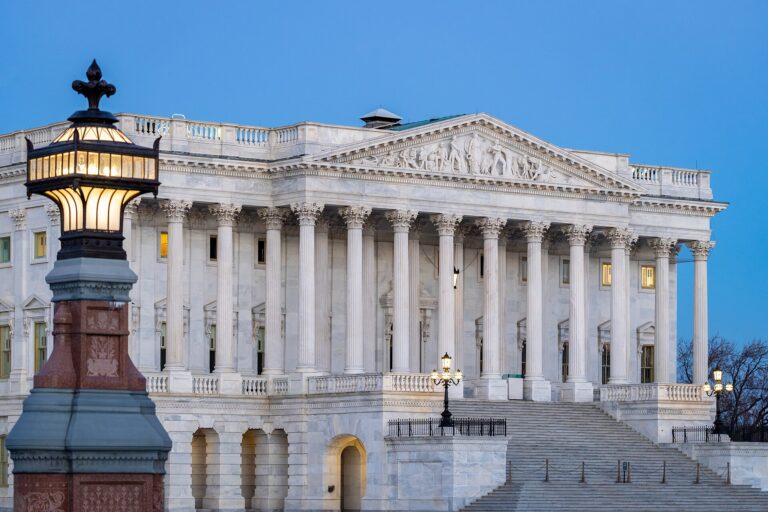
Those who disagree with President Trump mention again and again the supposed “protest vote” of the November 3 elections. But their ignorance shows in capital letters: the presidency was not at stake in those elections. They also forget the president’s veto power, fail to take into account the times other presidents have governed with both chambers against them and do not understand the power of the U.S. Treasury or the priorities of a president who is, above all, the commander in chief of the armed forces.
Unquestionably, political ignorance has been an important weapon for manipulating the masses through the media. After November 3, 2026, the president of the United States is still Donald J. Trump, and the new Democratic lawmakers have not yet taken their seats: they will not do so until January.
The truth is that, so far, there is no justification for attributing to the Trump administration an unnecessary war, unnecessary spending or the military occupation of any country.
The words from Tehran
Iran’s president, Masoud Pezeshkian, said this November 9 that the supreme leader, Mojtaba Khamenei, had ordered the government to end the state of “neither war nor peace.” According to Iranian media, Pezeshkian added:
“We can negotiate with dignity and we can end it with dignity.”
For any sharp-minded reader, knowing the codes is essential: these words are a message of surrender. However, according to CNN’s coverage, the spokesman for Iran’s Foreign Ministry, Esmail Baghaei, said it had become clear to everyone that the U.S. military aggression did not have the support of world public opinion, or even of the American people.
It is obvious that, with that closing line, the aim is to convince readers that Trump’s victory should be overshadowed by his “supposed defeat” in the midterm elections.
What Trump said
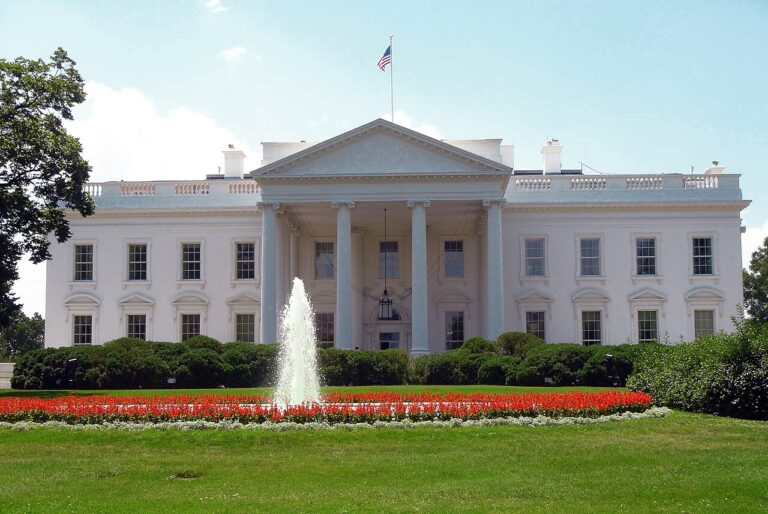
For his part, President Trump told the press that Iran, militarily, is practically finished, and that the United States is only maintaining the status quo. He said it after meeting at the White House with Qatar’s prime minister, Sheikh Mohammed bin Abdulrahman Al Thani, a key mediator in the conflict.
- February 28, 2026: the U.S. and Israeli strikes on Iran begin; Ayatollah Ali Khamenei is killed.
- March: the Assembly of Experts elects his son, Mojtaba Khamenei, as the new supreme leader.
- May 1: Trump informs Congress by letter that hostilities have ended, although the naval blockade remains.
- November 9: Trump says Iran is militarily finished; Pezeshkian announces the order to end the state of “neither war nor peace.”
Manipulation and ignorance
Trying to play down Trump’s victory, dressing it up as a defeat because it has been decided in advance that the election result was a punishment of his administration, shows political manipulation and ignorance. In addition, we are still within the 45 days set by Executive Order 13848, which requires an assessment after each federal election of whether there was foreign interference in the process.
However hard they work to hide the regime’s total defeat with manipulative strategies, which cover up the aims and warmongering schemes of the ayatollahs and of those who profit by controlling oil prices, insurance, goods and economic crises, reality comes to light with crushing force.
Surrender should mean returning power to the people of Iran, holding free elections and, if the people so decide, the return of the Pahlavi dynasty. But the most important thing is to restore the cultural greatness of the Persian people, occupied for decades by a dictatorial obscurantism that tried to erase their history.
Conclusion
Perhaps the books of the future will explain the truths of this war and show the actors involved and the atrocious manipulations. For now, we can sum it up by recalling a letter President John F. Kennedy sent to the shah of Iran on August 1, 1962, in which he stressed how highly the United States valued Iran’s crucial strategic location and its firmness in standing guard against the pressures of international communism.
With those lines alone we can understand why both leaders stood as a barrier to the projects of the forces of world power. The future will put everything in its place, and we are sure we are telling the real story.
Quotes in this article were translated back from the Spanish version and may differ slightly from the original English wording.
Sources
- Office of the Historian, U.S. Department of State: President Kennedy’s letter to the shah of Iran (1962)
- The Washington Post: Trump tells Congress hostilities with Iran have ended
- Seoul Economic Daily: Pezeshkian says the supreme leader ordered an end to the state of “neither war nor peace”
- Al Jazeera: Mojtaba Khamenei, Iran’s new supreme leader
📱 Get the What US News app

Scan the code with your phone or go to whatusnews.com/app. Free for Android and iPhone. How to install it.
Conversation