


For months, the Strait of Hormuz has been the hottest spot on the planet. Through that strip of sea, between Iran and the Arabian Peninsula, close to 20% of the world’s oil and liquefied natural gas passed before the conflict broke out on February 28. When the passage closes, gasoline goes up all over the world, including in the United States. Today, for the first time in a long while, there are signs that President Trump’s pressure is working.
A regime with its back to the wall
Trump has been clear from the start: Iran must fully open the Strait of Hormuz and commit to never building a nuclear weapon. To achieve that he is maintaining a tight naval blockade on Iran, which lets very little in or out of the country.
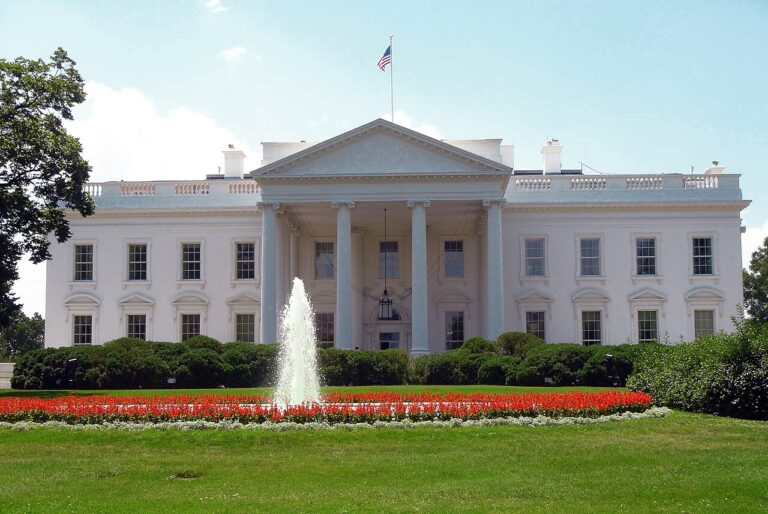
The result is plain to see. This Monday, November 9, Qatar’s prime minister arrived at the White House with an Iranian proposal for an interim agreement that would reopen the strait. According to diplomatic sources cited by the international press, Iran would drop its demand to control the passage and charge tolls on ships. In exchange, it asks that the blockade be lifted and that about $8 billion in Iranian funds frozen in Qatar be released.
Peace through strength, not peace through weakness
In an interview with CNN, Trump said it is very unlikely he will strike Iran again, as long as negotiations over its nuclear program and the reopening of Hormuz keep moving forward. But he also made clear that the military option remains on the table.
That is the difference from previous administrations. Instead of sending money to Tehran in exchange for promises, Trump squeezes first and negotiates afterward.
Why does Hormuz matter to your wallet?
- Before the war, close to 1 in every 5 barrels of the world’s oil passed through the strait.
- When the passage closes, the price of crude goes up and, days later, so does the price of gasoline.
- Last week oil fell about 16%, and this Monday Brent crude dropped to about $94 a barrel on news of the Iranian proposal.
The risks that remain
It is too early to declare victory. Over the weekend there were new attacks on ships in the area, and the Houthis, allies of Iran, said they had attacked Saudi Aramco offices in Riyadh. In addition, Iran still refuses to put its nuclear program on the table, and in May a similar agreement signed in Switzerland collapsed after an Iranian attack on oil tankers.
That is why firmness is key. A deal that reopens Hormuz but leaves Iran free to build an atomic bomb would not be a lasting peace.
Conclusion
The Hormuz crisis has hit American families at the gas station, and it was one of the issues that weighed on the elections. But Trump’s strategy, strength first and negotiation afterward, is forcing the Iranian regime to give ground. If the strait reopens and prices keep falling, Americans will see with their own eyes that peace is achieved through firmness. God bless America.
Sources
- CNBC: Trump says new strikes on Iran are very unlikely if talks progress
- The National: oil edges lower as Trump plays down prospect of new U.S. attacks on Iran
- OilPrice.com: oil sinks to $94 as Iran’s $8 billion Hormuz deal heads to Trump
📱 Get the What US News app

Scan the code with your phone or go to whatusnews.com/app. Free for Android and iPhone. How to install it.
Conversation