

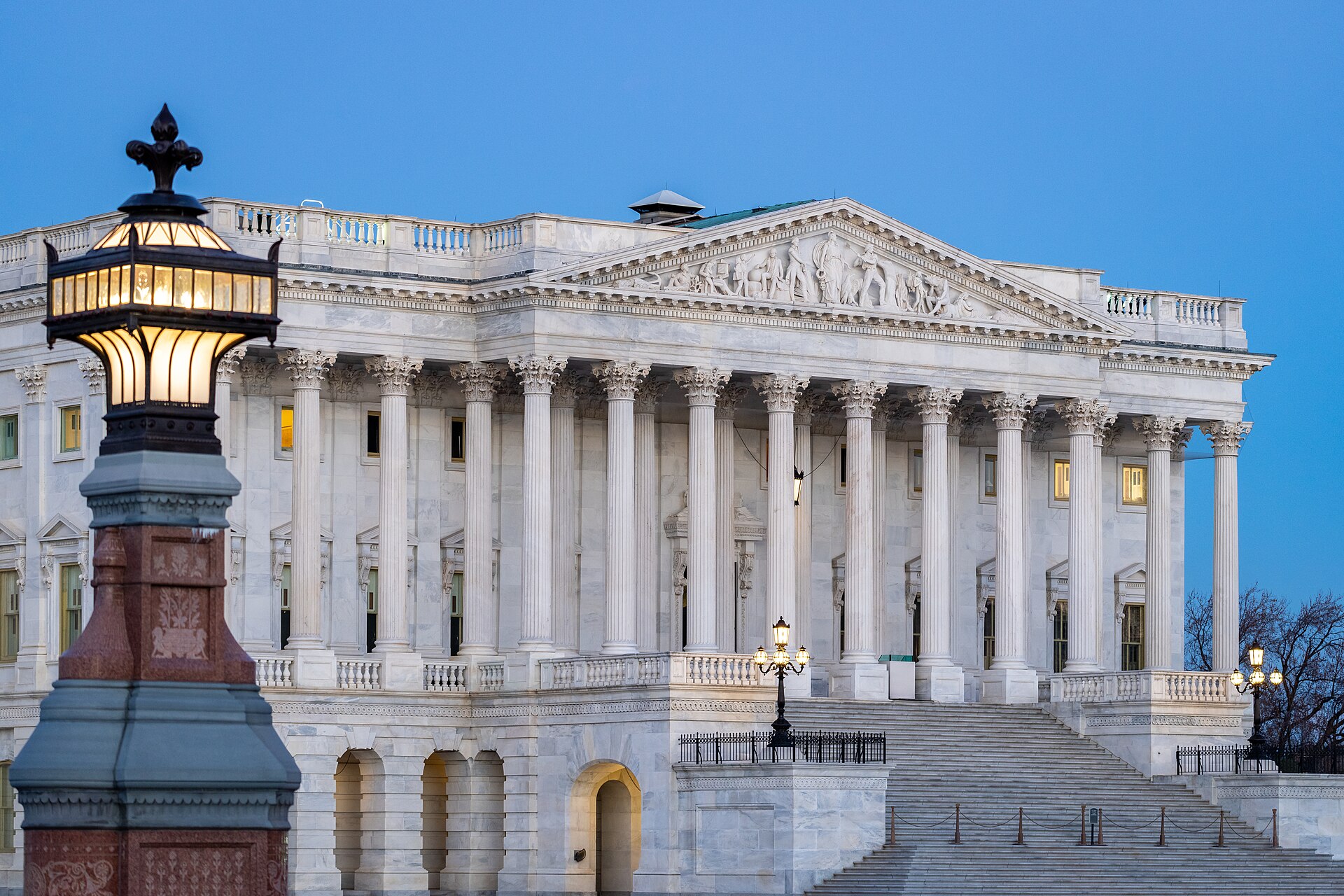
Senate Republicans began a race against the clock this week. After the results of the midterm elections, Democrats will take control of the upper chamber on January 3, 2027. Until that day, the Republican majority has a mission that could shape the country for decades: confirming as many as possible of the federal judges nominated by President Donald Trump.
What happened this week in the Judiciary Committee
On Tuesday, November 10, the Senate Judiciary Committee, chaired by Republican Chuck Grassley, approved sending four judicial nominees to the full Senate. According to information gathered by Political Wire, the committee also scheduled votes for six other candidates and held confirmation hearings for four more, and the White House announced three new nominees.
The New York Times, cited by Just Security, reported that there are up to 25 candidates at different stages of the process. Grassley has already scheduled two additional hearings in November for this expanded list.
The names at stake
Conservative lawyer Mike Davis, in a column published by Fox News on November 7, detailed that 23 judges are pending: four for appeals courts and 19 for district courts. The four appeals nominees are:
- Anna St. John and Todd Butler, for the Fifth Circuit, where they would replace Judges Leslie Southwick and Kurt Engelhardt.
- Lee Rudofsky, for the Eighth Circuit, in place of Judge Bobby Shepherd.
- Dan Domenico, for the Tenth Circuit, based in Denver, in the seat of Judge Timothy Tymkovich.
- Added to them are 19 candidates for district courts in several states.
Not everything will be simple. According to Davis, Republican Sens. John Boozman and Tom Cotton have raised questions about Rudofsky, and Democratic leader Chuck Schumer will probably try to block the appeals nominees and even some of the district ones.
Why judges matter so much
Federal judges appointed under Article III of the Constitution hold lifetime positions. A judge confirmed today could still be handing down rulings 30 years from now, long after this Congress and this president have passed. That is why every seat counts.
We have seen it in recent months. District judges have again and again halted key measures of the administration, from asylum policy to construction of the wall in Big Bend, and it has fallen to the Supreme Court to restore order. Having judges who respect the text of the law and the limits of their own power is not a partisan whim: it is the guarantee that the decisions of the people, expressed through Congress and the president, are not overturned by judicial activism.
What changes in January
Starting January 3, with Democrats in charge of the Senate, the road for Trump’s nominees will be much harder. The Democratic majority will control the floor calendar and the chairmanship of the Judiciary Committee, so it will be able to delay hearings or simply not schedule them. That is why Republican Majority Leader John Thune and his conference have few working weeks, with the Thanksgiving recess in between, to get this list through.
Davis, founder of the Article III Project, sums it up this way: the outgoing Senate has unfinished business and a clock that does not stop. His call is to use every available day to confirm all the nominees.
Conclusion
Elections have consequences, but the mandate of the current Republican majority does not end until January. Confirming Trump’s judges before that date is the most lasting way to protect the Constitution and the rule of law from political swings. Republican senators have a duty to work until the last day, and conservative voters should watch closely who delivers and who sits on their hands.
God bless America.
Sources
- Political Wire: Republicans Race to Confirm Judges
- Fox News: Mike Davis – Lame-duck Senate has unfinished business and a ticking clock
- Just Security: Early Edition, November 12, 2026
Photo: U.S. Capitol / Wikimedia Commons (Public domain)
📱 Get the What US News app

Scan the code with your phone or go to whatusnews.com/app. Free for Android and iPhone. How to install it.
Conversation