

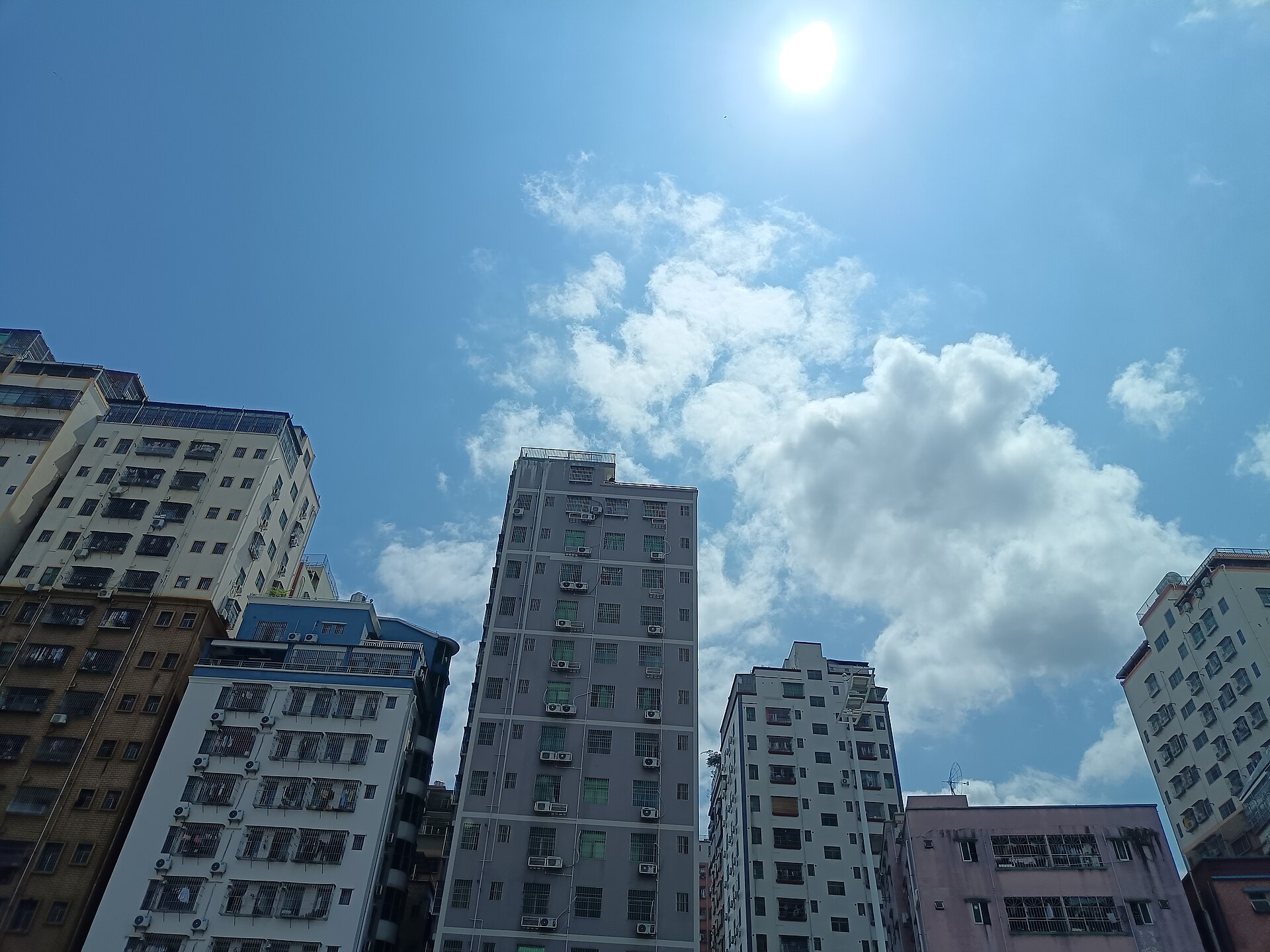
Donald Trump is now in China. This Wednesday, November 18, Xi Jinping waited for him in person at the foot of the Air Force One stairs at Shenzhen airport, and the two leaders embraced on the red carpet. A crowd waved American flags and shouted “welcome” in Mandarin.
Hours later, in the official photo of the APEC summit, a smiling Vladimir Putin walked up to Trump and held out his hand while Xi looked on. It was a preview of what comes Thursday: the first three-way meeting between the presidents of the United States, China and Russia.
A summit with a historic air
The meeting will be on Thursday the 19th at Kylin Villa, a lakeside residence in Shenzhen. Some media outlets are already comparing it to the Yalta conference of 1945, when Roosevelt, Churchill and Stalin sat down to decide the world order after World War II.
Trump arrived from Manila, where he took part in the ASEAN summit and met with Philippine President Ferdinand Marcos Jr. He will return to the United States as soon as the summit ends.
- Wednesday: Xi greets Trump on the tarmac with a hug.
- In the APEC photo, Putin greets Trump with a handshake.
- Thursday: three-way meeting at Kylin Villa in Shenzhen.
- Central issue for Trump: reducing nuclear weapons in the world.
- The trade truce with China expires on January 10.
What Trump wants
White House spokeswoman Olivia Wales said the president will raise reducing nuclear weapons in the world, a danger Trump considers very serious. The war in Ukraine, which Trump himself called his “favorite topic,” will also be on the table.
Another key issue is Iran. China and Russia have relations with Tehran, and Washington could seek their help so that the Strait of Hormuz reopens without tolls or threats and to hold down oil prices. Some analysts point out that Chinese ships are among the few Iran lets through without restrictions.
Trade, the other front
The trade truce Trump and Xi agreed to last year in South Korea expires on January 10. Thanks to it, the United States lowered tariffs, and China resumed buying soybeans and suspended export controls on rare earths, minerals that are key to making chips and cars.
But there is tension. On November 16, the Commerce Department expanded the rules controlling the sale of advanced chips to countries in Southeast Asia and to Brazil, and to data centers that serve Chinese customers. Beijing responded with a warning: if the United States insists, China will take countermeasures.
Experts believe the final deal may not come in Shenzhen. Trump and Xi are scheduled to meet again next month at the G20 summit in Florida.
The messages from Xi and Putin
At the welcome dinner, Xi toasted the “shared prosperity” of the Asia-Pacific and promised to oppose trade protectionism. Putin, for his part, took the opportunity to criticize Western sanctions and called the Western powers “former hegemons.”
Those are words meant for their own audiences. But the fact that both are seeking to sit down with Trump says a lot about who sets the pace of world diplomacy today.
Conclusion
Trump arrives in Shenzhen with a style his critics never understood: talking to everyone, rivals included, without ceasing to defend the interests of the United States. If this meeting produces a commitment to reduce nuclear weapons, a path to ending the war in Ukraine or a way out in Hormuz, it will be an enormous achievement. If not, at least it will be clear that nobody in the world can ignore Washington.
God bless America.
Quotes in this article were translated back from the Spanish version and may differ slightly from the original English wording.
Sources
- Radio Free Asia: Smiles and hugs ahead of Trump, Xi and Putin’s highly anticipated meeting
- Fortune: What’s at stake for Trump and Xi in Shenzhen
- Just Security: Early Edition, November 18, 2026
📱 Get the What US News app

Scan the code with your phone or go to whatusnews.com/app. Free for Android and iPhone. How to install it.
Conversation