

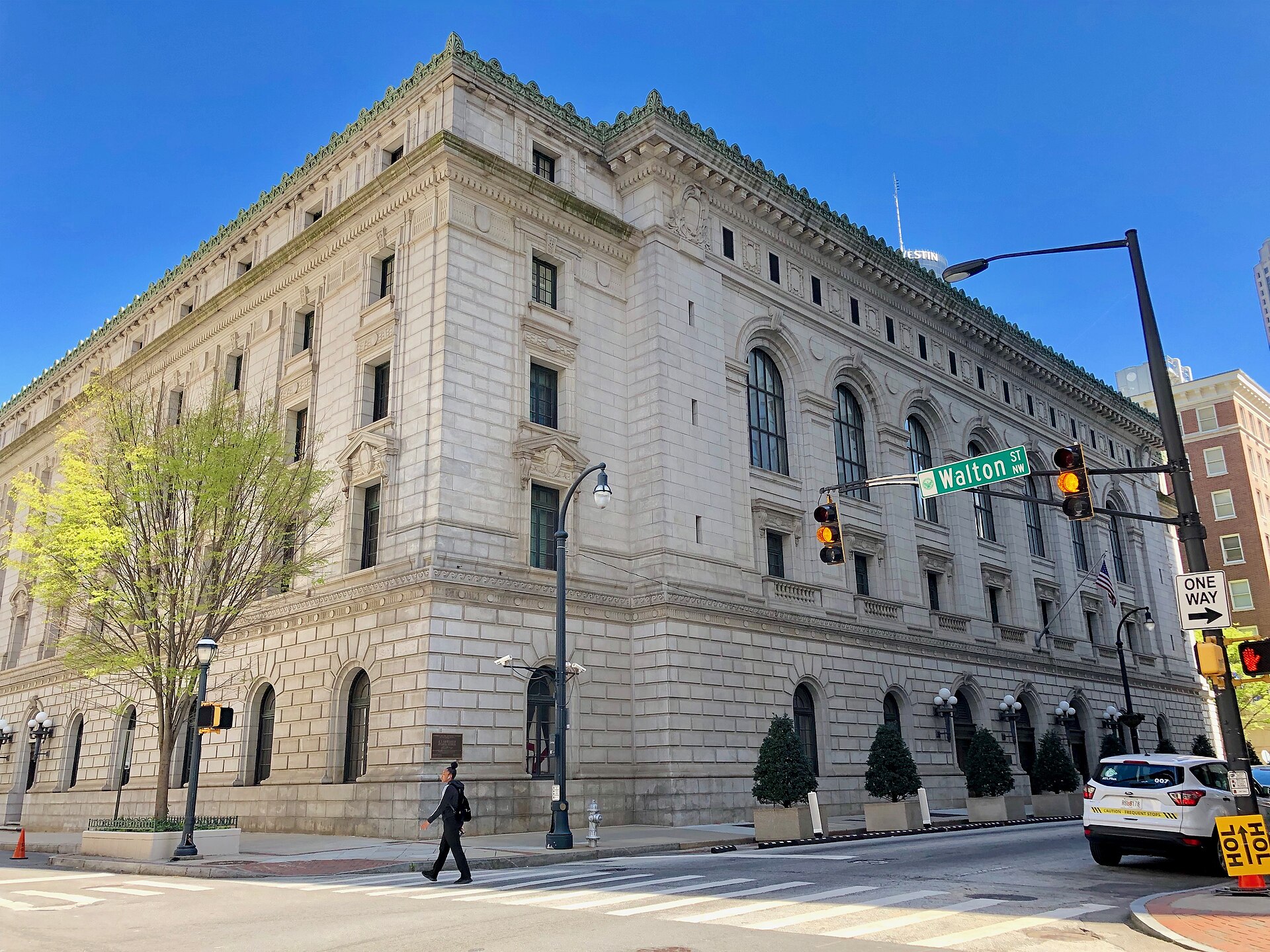
Bad news for thousands of Cuban families in South Florida. This week, the Eleventh Circuit Court of Appeals, based in Atlanta, ruled that Form I-220A is not parole and that, therefore, it does not allow someone to apply for permanent residency through the Cuban Adjustment Act.
“It is bad news for I-220A cases. The battle now becomes much tougher,” said immigration attorney Willy Allen.
What the I-220A is
The I-220A is an “order of release on recognizance” that authorities gave to many Cubans who crossed the border with Mexico in recent years. With that document they were released inside the United States while their immigration cases were resolved.
The problem is that the Cuban Adjustment Act requires, among other things, having been “admitted or paroled” into the country. For years, attorneys have argued that the I-220A should count as parole. The government, on the other hand, maintains that it does not.
- The Eleventh Circuit ruled that the I-220A is a release order, not parole.
- Without parole, the Cuban Adjustment Act cannot be used.
- The ruling is binding precedent in Florida, Georgia and Alabama.
- According to the South Florida press, more than half a million Cubans have pending cases.
- The ruling can still be appealed to the full court.
The case that decided it all
The case is called Aguiar-Fernández v. U.S. Attorney General. It involves Yoan Aguiar Fernández, his wife and his daughter, who entered across the border near San Luis, Arizona, in June 2021. They received the I-220A and later applied for residency under the Adjustment Act. Separately they requested humanitarian parole, which the Department of Homeland Security denied.
In a 16-page decision, a three-judge panel that included Judge Andrew Brasher rejected their petition. The court also denied their requests for asylum and for protection from deportation.
Why it weighs so heavily
Until now there was hope. In February, the same Eleventh Circuit vacated two decisions by the Board of Immigration Appeals involving Cuban women with I-220As and sent the cases back for a new review. Many saw it as an open door.
The new ruling closes that door in the three states the court covers. According to the specialized press, four other federal circuits and the Board of Immigration Appeals had already rejected the idea that the I-220A is parole, so this is now the majority position in the courts.
What options remain
Not all is lost. Attorneys point out that the ruling does not prevent anyone from applying for asylum or seeking residency through other routes, case by case. The decision can also be appealed to the full Eleventh Circuit.
In Miami, the Bello-Rubio class action, led by attorney Mark Prada before Judge Jacqueline Becerra, remains open, although it is now constrained by this ruling. And in New York, the Second Circuit has not yet ruled on another similar case. If that court decides in favor of the Cubans, the issue could end up at the Supreme Court.
If you have an I-220A, the most important thing is not to sit still: consult an immigration attorney you trust, review your case and do not miss your immigration appointments.
Conclusion
The law is the law, and judges apply it as written. But behind every file there are families who fled a dictatorship and who today work and contribute in this country. The right path is the one this site has always defended: respecting the laws of the United States and, at the same time, seeking within them a fair solution for those who escaped communism. This battle is not over yet.
God bless America.
Quotes in this article were translated back from the Spanish version and may differ slightly from the original English wording.
Sources
- Café Fuerte (in Spanish): Appeals court rejects the I-220A as a basis for Cuban Adjustment
- Café Fuerte (in Spanish): Appeals court vacates decisions on I-220A cases
- América TeVé (in Spanish): Key I-220A hearing postponed in Miami
📱 Get the What US News app

Scan the code with your phone or go to whatusnews.com/app. Free for Android and iPhone. How to install it.


Conversation