

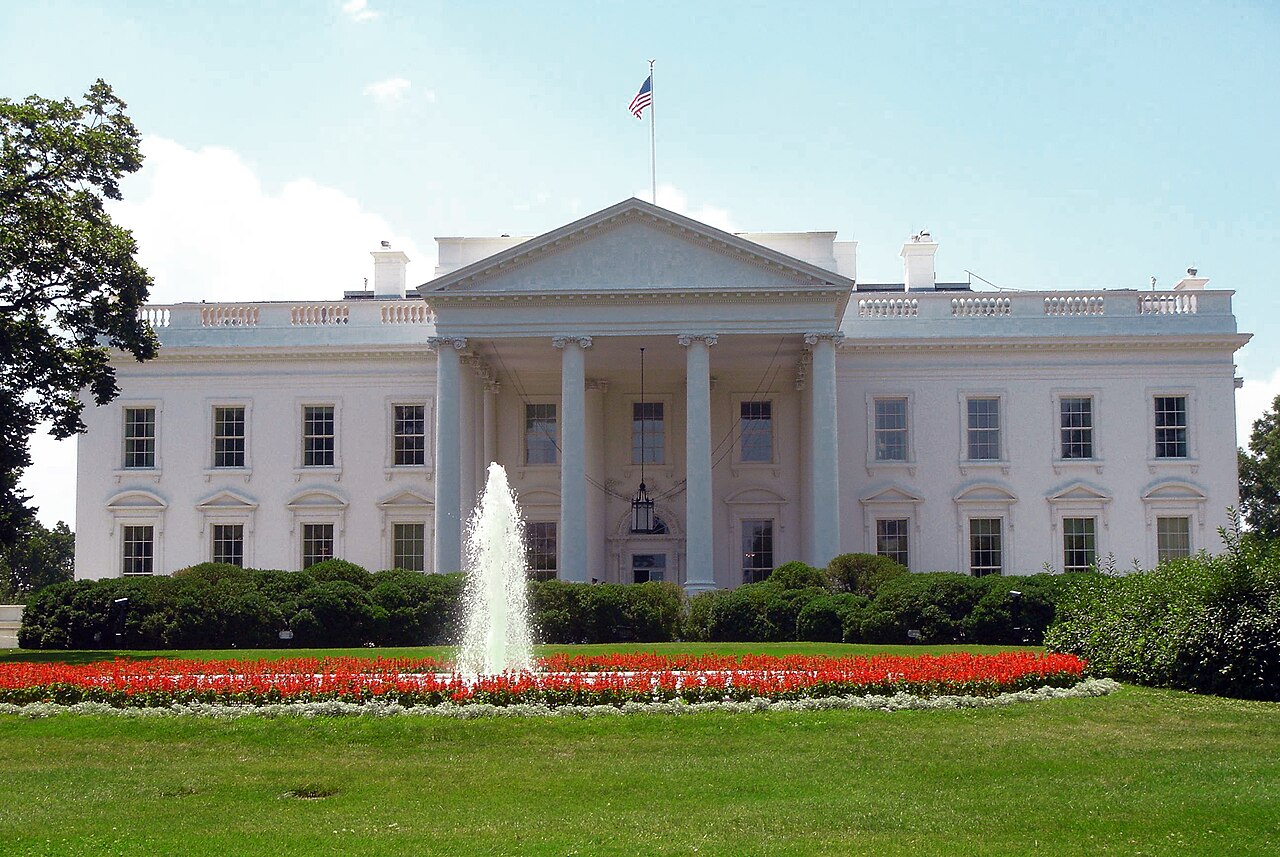
Democrats have not even been sworn in yet and the White House is already taking steps. On Monday, Will Scharf, the White House’s top lawyer, sent a one-page memo to the general counsels of every federal agency. It says, in short, that no employee may agree to testify before Congress without first getting approval from his office and from the Office of Legislative Affairs.
I already know what his critics are going to say: that it is meant to cover things up. I read it differently. An administration that knows a shower of subpoenas is coming wants to know who is going to speak in its name and what they are going to say. There is nothing strange about that.
What the memo says
According to The Washington Times, Scharf calls this the White House’s established consultation process. If an official receives an invitation or a subpoena from a committee, it has to go through that filter first. They are not forbidden to testify. They are asked to give notice and wait for the green light.
- It is signed by Will Scharf, White House counsel.
- Approval is required from his office and from Legislative Affairs.
- It comes seven weeks before Democrats take control of Congress.
- It is not the first warning: last week Scharf had already written to the Democrats on the Oversight Committee.
Democrats were already warming up
They did not even wait for January. Bennie Thompson, of Mississippi, asked the Department of Homeland Security in writing to preserve records and hand over documents. Bobby Scott, of Virginia, sent a similar letter to the Department of Agriculture.
And Robert Garcia, the Californian who will chair the Oversight Committee, has made clear he is coming to investigate. Scharf answered him that Congress has limits and that issuing subpoenas to deprive citizens of their rights could merit further investigation. Garcia replied that everything they plan to do is legal and that it is what voters asked for.
Does the White House have the right to do this?
In my view, yes. Nobody disputes that Congress can oversee the government. But the Supreme Court has said more than once that a congressional investigation has to serve a legislative purpose, not to put anyone on display or punish them for political reasons.
We all remember what happened in Trump’s first term. Years of investigations, leaks to the press at just the right moment, hearings designed for the cameras. With that history, I too would want to know in advance who is sitting down in front of a committee.
There is also a matter of common sense. The executive branch handles national security information, open court cases and the president’s internal conversations. An official, under pressure or out of his own calculation, letting some of that slip at a hearing can do a lot of damage.
January is just around the corner
On January 3 Democrats will have a majority in both chambers and will be able to issue subpoenas. Trump still has the veto and executive orders. And now he also has a procedure for responding to each request from Congress.
Some of these fights are going to end up in court, as happened last time. We already know that.
Conclusion
Scharf’s memo is a message: the White House does not intend to spend two years dancing to the tune of Democratic committees. Congress can investigate, of course. The president can also defend himself. The Founders set those two powers against each other on purpose, and this fight is only beginning.
God bless America.
Sources
- The Washington Times: White House says agency officials now must get approval before testifying before Congress
- The National News Desk: White House warns House Democrats against ‘blatant criminality’
📱 Get the What US News app

Scan the code with your phone or go to whatusnews.com/app. Free for Android and iPhone. How to install it.

Conversation